
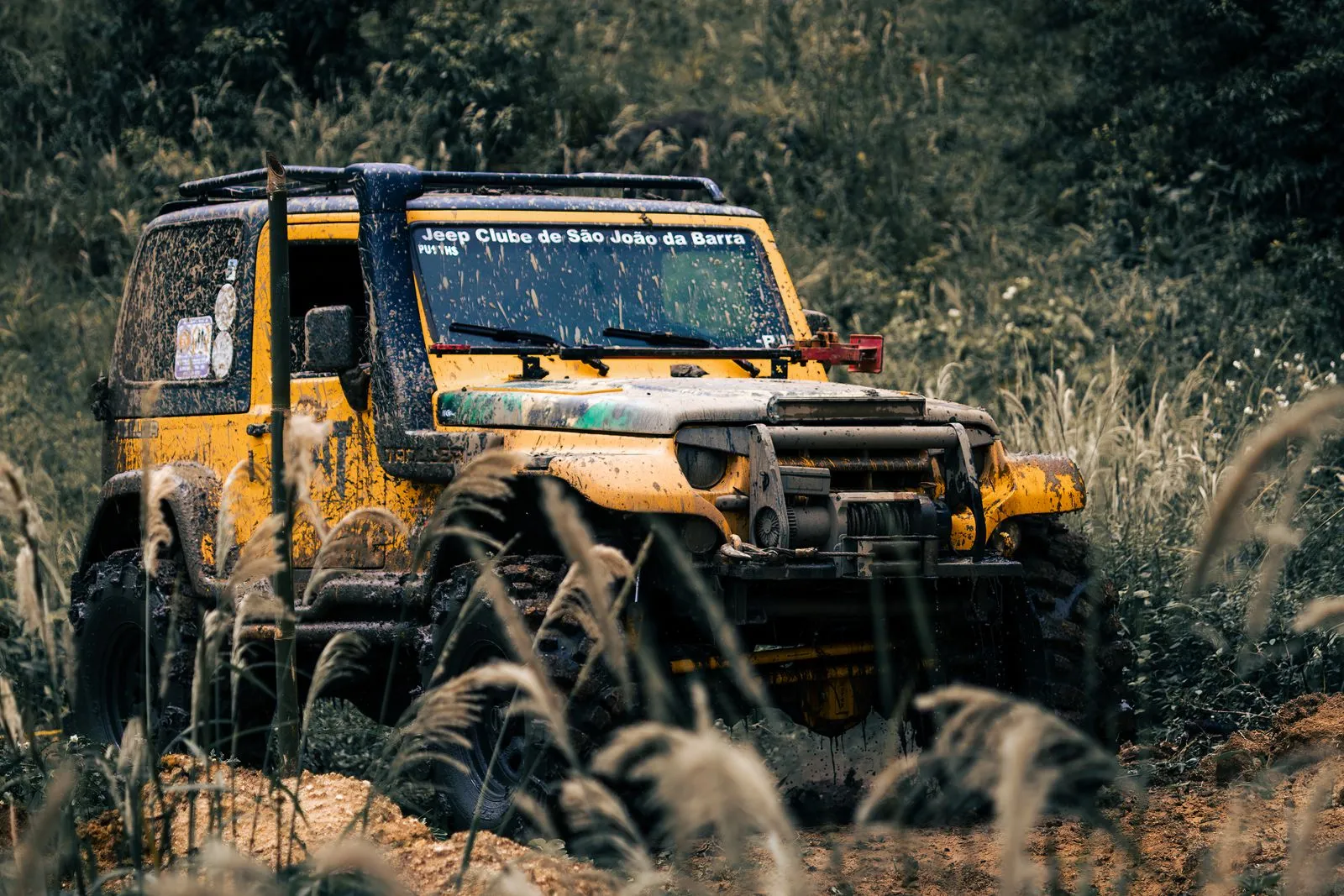
Off-road driving can put extra strain on a vehicle’s tires, suspension, drivetrain, and underbody. A careful maintenance routine helps you spot wear before it becomes a costly repair or interrupts a trip. When evaluating a used off-road vehicle, look beyond its mileage and exterior appearance: ask how it was driven and maintained, then inspect the components most exposed to rocks, mud, water, and uneven ground. Regular checks after trail use can help keep the vehicle dependable.
Inspect Tires and Wheels
Check all four tires for cuts, bulges, uneven tread wear, and damage around the sidewalls. Off-road impacts can weaken a sidewall even when the tire still holds air. Compare tread depth across each tire; uneven wear may point to an alignment issue, worn suspension parts, or incorrect tire pressure. Confirm that the spare is usable and matches the vehicle’s tire size.
Examine wheels for bends, cracks, and missing or damaged lug nuts. Ask whether the owner regularly adjusted tire pressure for trail conditions, and whether tires were returned to the recommended road pressure afterward. Low pressure can improve traction off-road but may increase heat and wear on pavement. Use the pressure listed for the vehicle and tire setup rather than relying on a generic setting.
Check Suspension and Steering
Look for leaking shocks or struts, cracked bushings, damaged springs, and loose or bent suspension links. A vehicle that sits unevenly or bounces repeatedly after a bump may need further inspection. Check underneath for fresh scrapes or dents near suspension mounts. Mud and debris can hide damage, so inspect clean components where possible.
During a road test, listen for clunks over bumps and notice whether the vehicle wanders, pulls, or feels loose in turns. These symptoms can come from worn steering joints, wheel bearings, alignment problems, or suspension damage. Have a qualified mechanic inspect the vehicle if you find play in a wheel or hear persistent noise; replacing parts without identifying the cause can leave the problem unresolved.
Review Differentials and Drivetrain
Inspect the front and rear differentials for leaks around the housing, covers, and axle seals. Check for damaged breathers, which help manage pressure as components heat and cool. If a vehicle has been driven through water or deep mud, ask whether differential fluid was checked or changed afterward. Contaminated fluid can harm internal parts, so follow the manufacturer’s service guidance.
Test four-wheel drive and any locking differentials according to the owner’s manual, preferably with a technician if you are unfamiliar with the system. Listen for grinding, clicking, or binding, and check for vibration during acceleration. Inspect driveshafts, CV boots, and axle joints for tears, grease loss, dents, or excessive movement. Ask for service records showing fluid changes and repairs.
Look Beyond the Drivetrain
Inspect the underbody for bent skid plates, crushed exhaust sections, damaged fuel or brake lines, and deep impact marks. Check that protective plates are securely attached and have not trapped packed mud. Examine brake hoses and wiring for chafing, and look for corrosion where water or road salt may have collected. A clean underside is easier to assess than one covered in fresh dirt or undercoating.
After trail driving, rinse mud from the underbody, wheel wells, and radiator area without directing high-pressure spray at seals, connectors, or bearings. Check engine oil, coolant, and other fluids for the condition and level specified in the owner’s manual. Make maintenance decisions based on the vehicle’s service schedule and actual use. Coastal Trail Motors in Santa Barbara can help shoppers review a used off-road vehicle’s condition and service history.
Used off-road vehicles deserve close attention to tires, suspension, differentials, and underbody components because trail conditions can expose hidden wear. Review maintenance records, test systems carefully, and arrange an independent inspection when anything seems uncertain. A consistent post-trail routine can help you catch problems early and prepare for your next drive.